Over half a million bicycles disappear in Sweden every year. Not 55,000 — that's just the number reported to police. A VTI study found that fewer than 1 in 8 Swedish bike thefts are actually reported, putting the real figure above 500,000. Add Finland's 14,000 reported thefts, Denmark's roughly 50,000 annual cases, and Norway's numbers on top of that, and the Nordics lose well over half a million bikes each summer season alone.
Midsummer marks the peak. Longer days, warmer weather, and more bikes parked outside mean more opportunities for thieves. But bike theft is not just an inconvenience — it carries a real price tag that goes far beyond the stolen bicycle itself.
The direct financial damage
The most obvious cost is the bike itself. In Finland, insurance companies paid out EUR 11 million in bicycle theft claims in 2024 alone, according to . In Sweden, the figure was roughly (around EUR 22 million) back in 2020 — and that was before e-bike thefts surged.
E-bikes have changed the math entirely. With an average value around EUR 2,000, a stolen e-bike costs four to five times more than a standard city bike. In Sweden, e-bikes now account for over a quarter of all reported bike thefts — 14,675 out of 54,844 in 2024. That means the total value of stolen e-bikes alone in Sweden likely exceeds EUR 29 million per year in reported cases.
And insurance only covers part of the loss. Deductibles, depreciation, and the gap between a bike's replacement cost and its insured value mean that owners absorb a large share of the financial hit themselves.
The hidden cost: people stop cycling
Money is only half the story. Research on bike theft's behavioural impact paints a grim picture. A North American survey of over 1,800 theft victims found that 45% reduced or stopped cycling after losing their bike. Fifteen percent gave up cycling entirely.
European data tells a similar story. In France, 46% of theft victims reported cycling less frequently after a theft, driven mainly by fear of it happening again. Many switched to cars or public transport for trips they had previously made by bike.
In a region where governments spend billions promoting cycling — Helsinki alone sees a EUR 3.6 return for every euro invested in cycling infrastructure — every rider lost to theft undermines those investments. A new bike lane does not help if people are too afraid to lock a bike next to it.
Why so few bikes come back
The recovery numbers are bleak. Research shows that roughly 2-5% of stolen bikes are returned to their owners when no registration or identification system is in place. In Copenhagen, police filed charges in just 0.8% of reported bicycle thefts in 2025. In Sweden, the clearance rate for bike theft hovers near zero for regular bikes and around 1% for e-bikes.
The problem is not that police don't care. It's that stolen bikes are hard to identify. Without a serial number on file, a recovered bike is just another bike. According to a UK survey of convicted bike thieves, two-thirds of stolen bikes are sold within hours of being taken, and 78% were stolen to fill specific buyer orders. By the time an owner files a report, the bike has often already changed hands.
Registration changes this equation. Research shows that registered bikes have recovery rates around 15% when theft is reported through multiple channels — compared to roughly 5% for unregistered ones.
The ripple effect on Nordic cities
Bike theft does not just affect individual owners. It creates a drag on urban transport systems that Nordic cities have spent decades building.
Stockholm, Helsinki, Copenhagen, and Oslo have all set ambitious targets to increase cycling's share of daily transport. Helsinki aims to double its cycling mode share to 20% by 2030. Copenhagen already leads the world in cycling infrastructure. But high theft rates work directly against these goals.
When people lose a bike — especially an expensive e-bike that replaced car trips — many return to driving. That means more congestion, more emissions, and more strain on public transport. The environmental cost of each lost cyclist is impossible to measure precisely, but the direction is clear: bike theft pushes cities backward.
There's also an equity dimension. Lower-income cyclists are hit hardest by theft because they're less likely to afford a replacement or carry insurance. A stolen bike can mean losing access to a job, school, or essential services.
What actually works to reduce theft
The Nordic countries have started taking bike theft more seriously. Copenhagen Police gained the authority in 2025 to stop cyclists and check frame numbers without needing specific suspicion — a direct response to the city's 20,000+ annual thefts. Sweden's Brå has reported a 15% drop in bike thefts in early 2025.
But enforcement alone won't solve a crime with a near-zero clearance rate. The most effective approach combines three things:
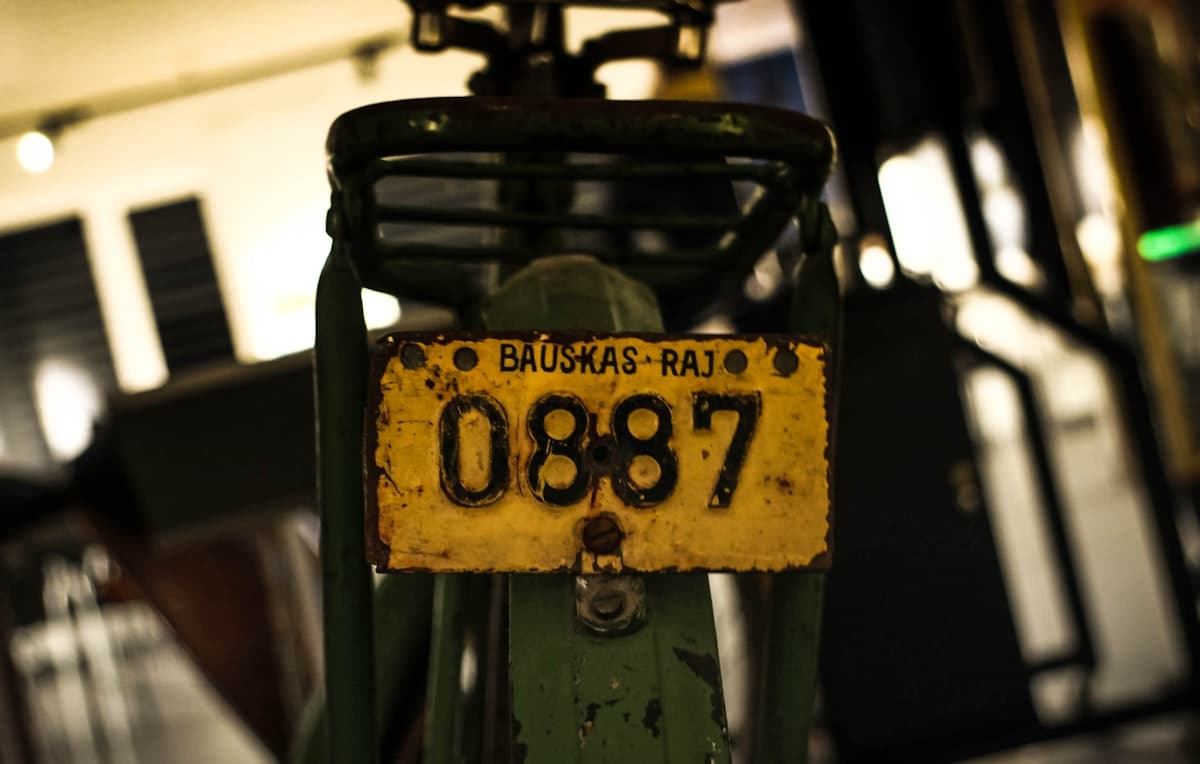
Registration. When every bike has its serial number linked to an owner in a searchable database, stolen bikes become identifiable. Buyers can check before purchasing, police can match recovered bikes to reports, and thieves face a higher risk of being caught with traceable property.
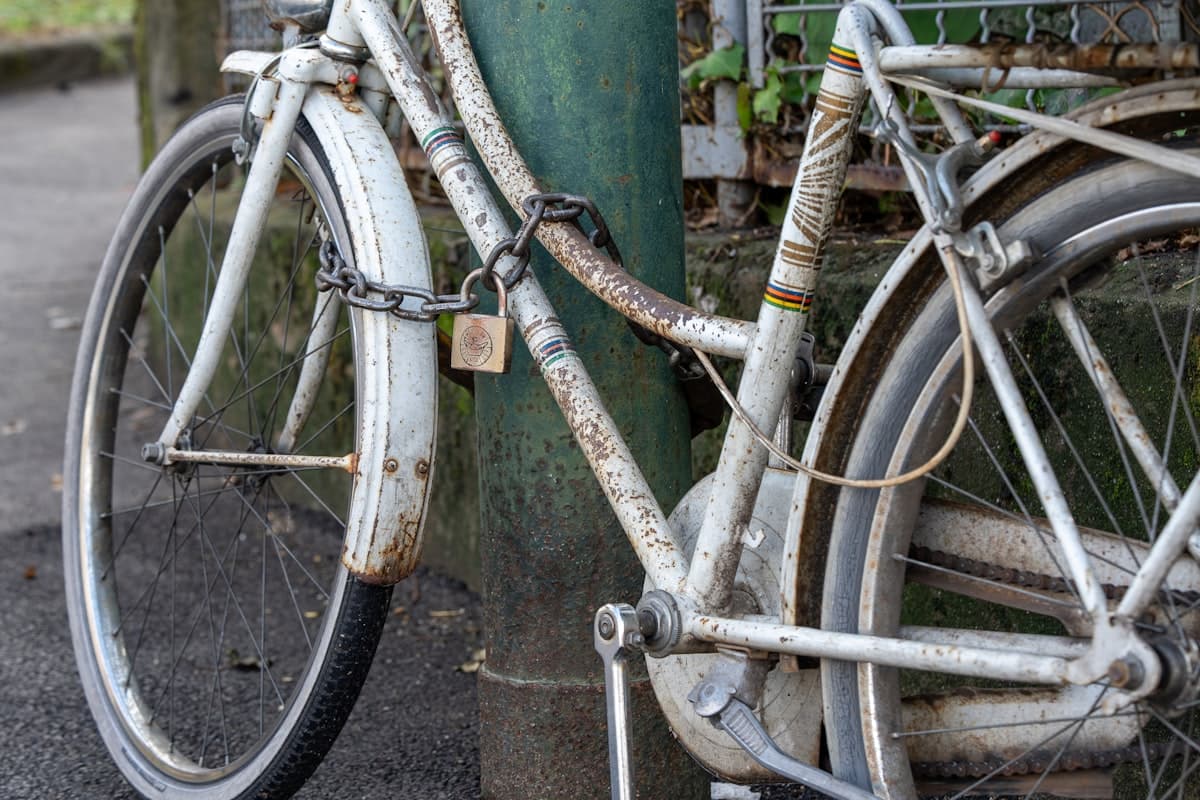
Better locks. Most bike thefts are still opportunistic. A quality U-lock or chain lock — not the cable lock that came free with the bike — stops the majority of casual thieves. For e-bikes, securing the battery separately adds another layer.
Community awareness. The second-hand market for stolen bikes only works because buyers don't ask questions. Checking a bike's serial number before buying takes seconds and cuts off the demand that drives theft in the first place.
Protecting your investment this summer
Midsummer is when Nordic cycling peaks — and so does theft. Whether you ride a city bike worth a few hundred euros or an e-bike worth several thousand, the cost of losing it goes beyond the price tag. It's the hassle of insurance claims, the risk of never getting it back, and the real chance you'll ride less afterward.
The single most effective thing you can do takes two minutes: record your bicycle serial number and complete your bike registration. If the worst happens, you'll have proof of ownership, a way for police to identify your bike, and a record that warns buyers if your bike turns up for sale.
Ready to protect your bike? Download the app and register your bike for free.