You lock your bike outside a train station at 8 AM. By 5 PM, the rack is empty and the lock is gone. That exact scenario plays out thousands of times every summer across the Nordics — and it's no coincidence. Bike thieves don't operate randomly. They follow patterns: specific places, specific times, specific seasons. Understanding those patterns is the first step toward keeping your bike where it belongs.
In Sweden alone, over 55,000 bicycle thefts were reported in 2024. In Finland, the number was around 14,000. And those are just the reported cases — a VTI study found that fewer than 1 in 8 Swedish bike thefts are actually reported to police, suggesting over half a million bikes disappear each year.
So where exactly do all those bikes go missing?
Train stations and transport hubs
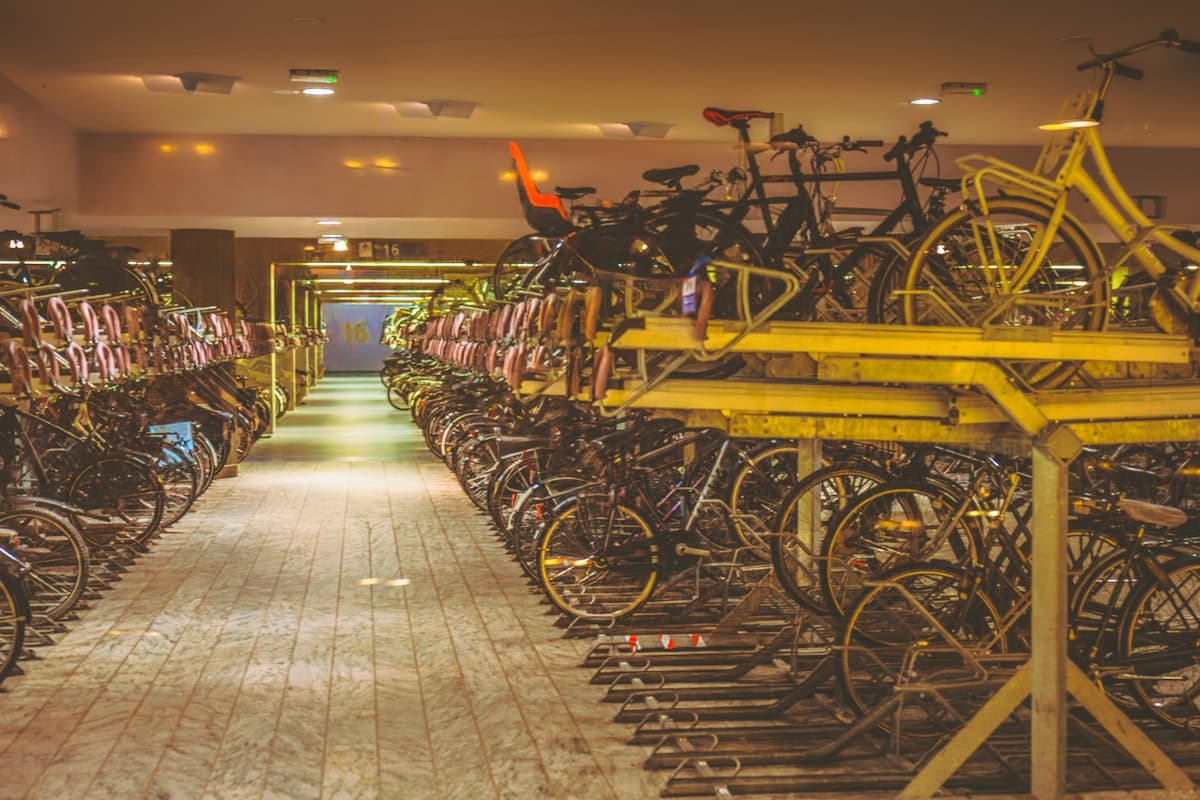
If there's one location type that consistently tops theft statistics, it's the area around train and bus stations. Commuters leave bikes parked for 8-10 hours in predictable patterns, giving thieves a wide selection of targets and plenty of time to work.
In the UK, Cambridge train station recorded 113 bike thefts in a single 12-month period — making it the worst individual location in the country. A London spatial analysis published in PLOS ONE found that proximity to train stations increased bicycle theft risk at all distances from the station.
The pattern holds in the Nordics too. In Helsinki, the areas around the central railway station and Kamppi shopping center see some of the highest theft concentrations. Metro and bus station bike racks follow the same trend — wherever bikes sit unattended for hours in high-traffic areas, thieves take notice.
What to do: Use a U-lock or heavy chain lock at transport hubs. Lock through the frame and rear wheel to a fixed rack. If your station offers secure bike parking or bike lockers, use them even if they cost a few euros per month.
University campuses
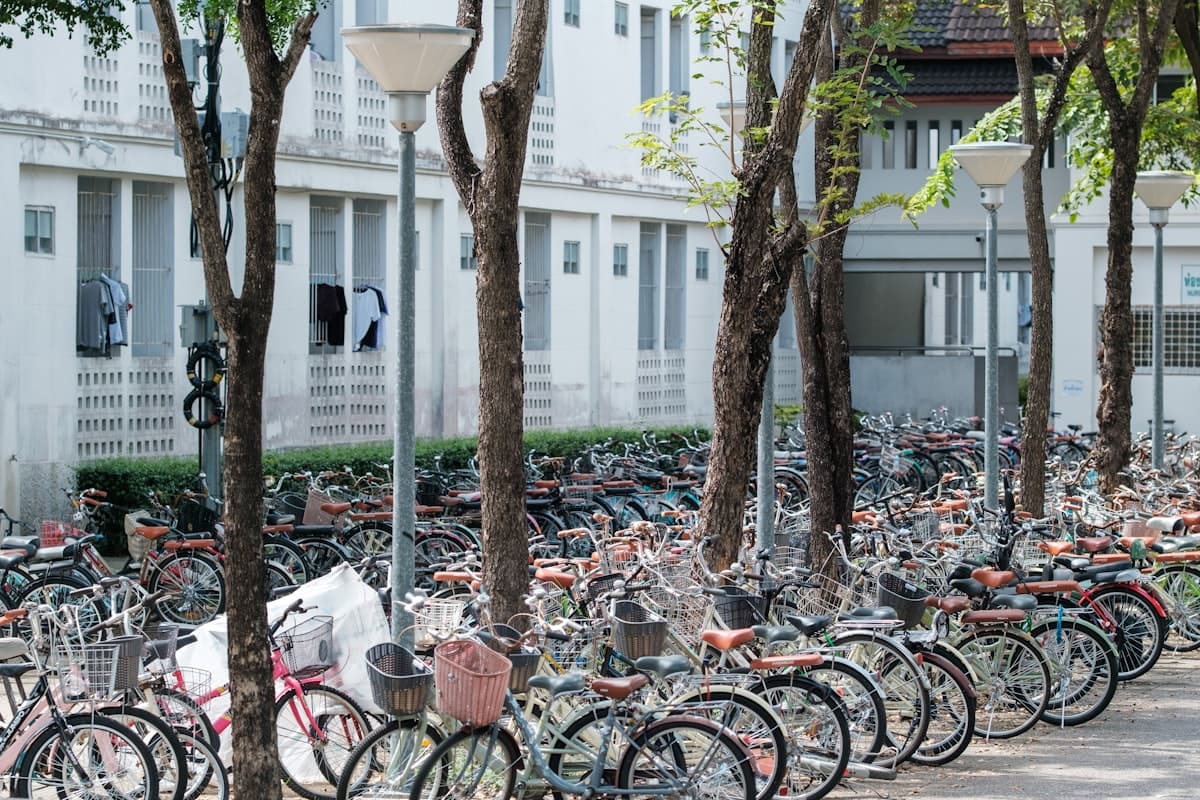
Student bikes are prime targets. They're often older, locked with cheaper locks, and left in the same spot for hours — sometimes days. Campus bike racks are dense, public, and easy to blend into.
Research from ASU's Center for Problem-Oriented Policing identifies universities as consistent theft hotspots. In the UK, Oxford and Cambridge campuses have the highest bike theft rates, followed by York, Sheffield, and Leeds. Thefts spike at the start of each academic term when fresh bikes flood the racks.
In Sweden, the university city of Lund — part of the Skåne region, which Radio Sweden has called the bike theft capital of Sweden — is a well-known problem area. In Finland, Oulu, one of the country's most bike-friendly cities with over 1,000 km of cycling paths, recorded 1,738 bike thefts in 2022-2023. The city centre around Rotuaari is the riskiest spot.
What to do: Never rely on a cable lock on campus. Register your bike's serial number so it can be traced if stolen. If you're a student, check whether your university offers secure bike storage.
Apartment buildings and residential areas
You might think your bike is safe in a building courtyard or shared bike storage room. The numbers say otherwise. According to Findings Press research, over half of bike thefts happen in residential areas. A breakdown of theft locations shows that 44% of bikes are stolen from yards, balconies, porches, or patios, while another 14% disappear from garages and bike storage rooms.
In Helsinki, the neighborhoods of Kallio, Taka-Töölö, and Kamppi — dense residential areas with older apartment buildings — consistently report the highest theft numbers. Shared courtyards with open access are particularly vulnerable.
What to do: Lock your bike even in a "secure" bike room — those rooms often have shared keys or broken doors. Bring high-value bikes inside your apartment if possible. If your building has poor bike security, raise it with your housing association.
Shopping centers and commercial areas
A quick grocery run. A two-hour shopping trip. That's all it takes. UK crime survey data shows that around 14% of bike thefts happen near shops, supermarkets, and shopping centers. Bikes parked at commercial locations tend to be left with lighter locks — or no lock at all — because owners expect to be back in minutes.
In Helsinki, the areas around shopping centers are among the most common hunting grounds for bike thieves. The combination of quick turnover and distracted owners makes these spots attractive.
What to do: Always lock your bike, even for a five-minute stop. Use a proper lock, not just a wheel lock. Park in view of security cameras or shop entrances when possible.
When bikes get stolen: seasonal and time patterns
Bike theft follows the sun. The peak season runs from May through September, with Bike Index data showing August as the single worst month across multiple years. The logic is straightforward: more bikes on the street means more targets. Warmer weather also means bikes spend more time locked outside rather than stored indoors.
In the Nordics, this summer peak is even more pronounced. The long winter months see low cycling activity, and then May-June brings a flood of bikes back onto the streets — many locked carelessly after months of indoor storage.
The time of day matters too. Research shows that 41% of bike thefts happen overnight, while morning is the least likely time (just 9%). Daytime thefts tend to cluster in the afternoon, particularly at outdoor racks near workplaces and shopping areas. Overnight thefts hit residential locations hardest — courtyards, garages, and apartment storage rooms.
How to keep your bike out of the statistics
Knowing the hotspots and timing is half the battle. Here's how to act on it:
Lock smart at every stop. Use a U-lock or heavy chain through the frame and rear wheel. Cable locks can be cut in seconds.
Choose your parking spot carefully. Well-lit areas with foot traffic and security cameras are less attractive to thieves. Avoid isolated racks behind buildings.
Complete your bike registration. Record your serial number, take photos, and store them somewhere accessible. Research shows that registered bikes have recovery rates around 23%, compared to roughly 5% for unregistered ones.
Be extra cautious in summer. May through September is prime season. Double-check your lock, avoid leaving your bike out overnight, and consider bringing it inside if you're home.
Upgrade your building's bike security. If you live in an apartment, push for better locks on storage rooms, security cameras, and proper bike racks. A shared responsibility keeps everyone's bike safer.
Your bike doesn't have to become another theft statistic. The places and times thieves prefer are well-documented. Park accordingly, lock properly, and make sure your bike can be traced back to you if the worst happens.
Ready to protect your bike? Download the app and register your bike for free.