A cable lock can be cut in under three seconds. A cheap U-lock falls to an angle grinder in less than a minute. And over half of bike thefts don't even happen on the street — they happen in residential areas, in garages and sheds where riders assume their bikes are safe.
Understanding how bicycle theft actually works is the first step toward bike theft prevention. Thieves aren't mysterious. Their methods are predictable, and that makes them beatable.
How bikes actually get stolen
Bike thieves generally fall into two categories: opportunists and professionals.
Opportunistic thieves account for the majority of stolen bikes. They carry basic tools — cable cutters, a small crowbar, sometimes a pair of bolt cutters — and look for easy targets. An unlocked bike outside a coffee shop. A cable lock on a campus bike rack. A front wheel locked but the frame left free. These thefts take seconds, and the thief is gone before anyone notices.
Professional and organized thieves are a different problem. They use battery-powered angle grinders that cut through hardened steel in under a minute. Some operate from vans, scouting neighborhoods and loading bikes quickly. Others check public Strava profiles to trace cycling routes back to riders' home addresses — then target the garage or shed at night.
A few specific techniques worth knowing:
The signpost lift — your bike is locked to a short post or sign. The thief lifts the entire bike and lock over the top and walks away.
The leverage attack — a loosely fitted U-lock leaves enough gap for a jack or prybar. The thief inserts it and snaps the shackle apart.
Component stripping — the frame is locked, but the wheels, saddle, or lights aren't. Quick-release parts disappear in seconds.
The scout test — some thieves mark a bike with tape or a zip tie. If it's still there days later, the owner probably isn't checking on it.
When and where it happens
Bike theft peaks between May and September — right when more people are riding. Outdoor rack thefts cluster in the afternoon, between noon and 6 PM. But thefts from homes and garages happen mostly overnight.
Thieves make quick risk-reward calculations. They want high value and low effort. Your bike becomes an easy target when:
You use a cable lock. Cable locks provide almost zero security. A pair of hand-held cutters defeats them instantly.
You lock only the wheel. The thief detaches the wheel and takes the frame. Or takes the wheel and leaves the frame.
You lock to a weak anchor. Wooden fences, thin signposts, and chain-link fences can all be cut or pulled apart faster than the lock itself.
You leave it overnight outside. Darkness plus time equals opportunity. Even expensive locks lose the battle if a thief has all night and an angle grinder.
You skip the garage lock. The fact that over half of thefts happen in residential areas means your bike isn't safe just because it's behind a door. Lock it to a ground anchor or wall mount, even indoors.
How to actually protect your bike
No single measure makes your bike theft-proof. But layering several together makes it far harder to steal than the bike parked next to it.
Choose the right lock. A hardened steel U-lock with a 16mm+ shackle is your best primary lock. Pair it with a chain or cable through the front wheel. Avoid any lock that can be beaten by hand tools alone.
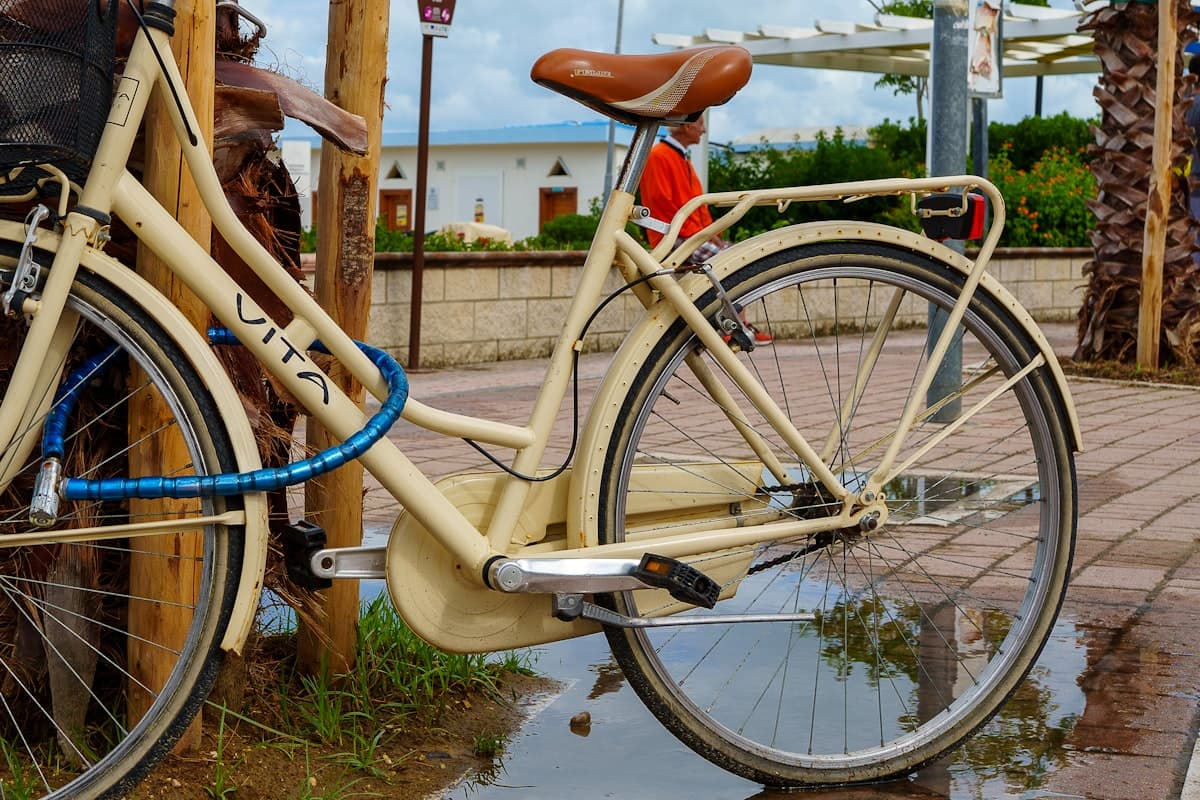
Lock it properly. Secure the frame and at least one wheel to a solid, immovable object. Use the smallest U-lock that fits — less space inside means less room for a prybar or jack. Fill the shackle gap with your frame and wheel.
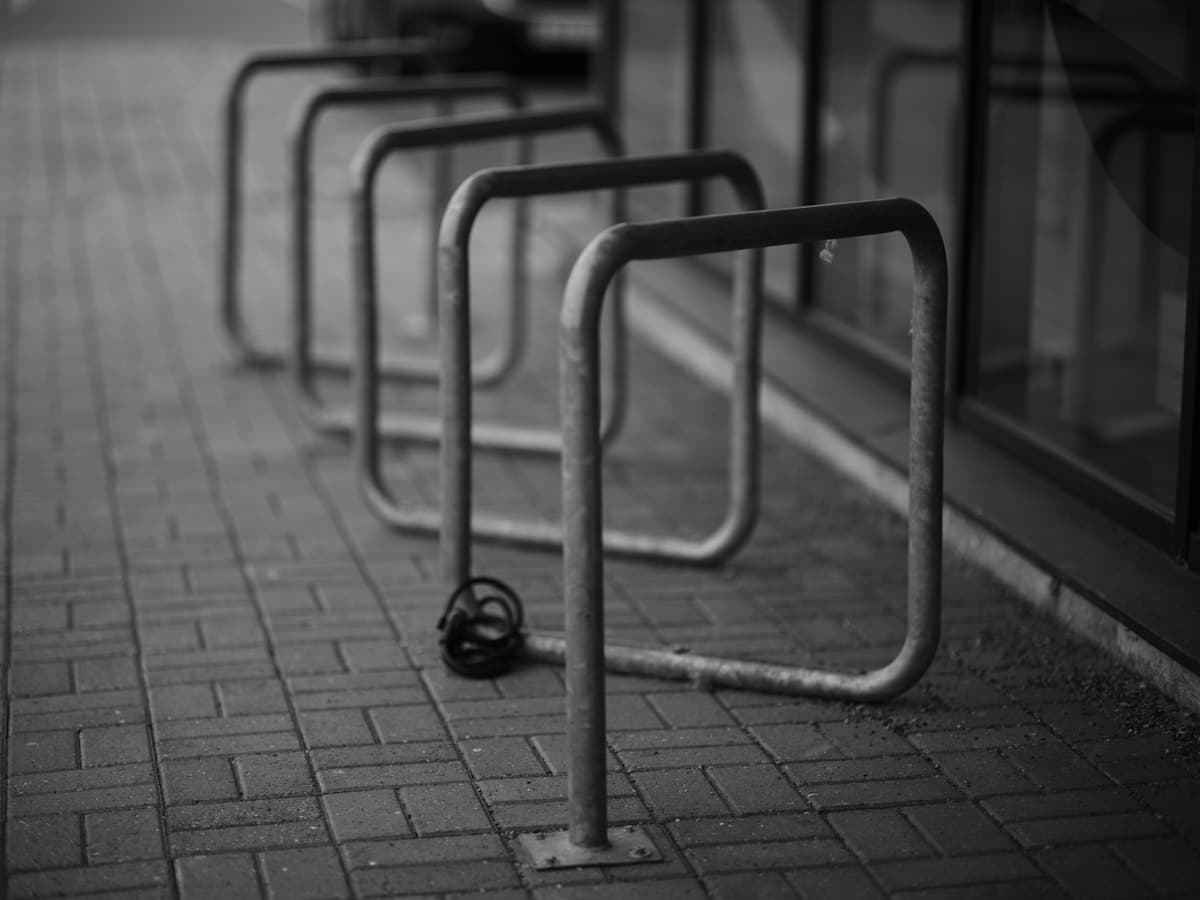
Pick your spot. Well-lit, high-traffic areas with CCTV deter opportunists. Avoid isolated racks, even if they're closer to where you're going.
Secure your home storage. If your bike lives in a garage, shed, or shared hallway, lock it there too. A wall anchor and chain is cheap insurance against the most common type of bike theft.
Remove temptation. Take your lights, bags, and bike computer with you. Replace quick-release skewers with locking skewers on your wheels and saddle.
Why registration is the most underrated deterrent
Good locks slow thieves down. Registration makes their job pointless.
When a bike is registered in a stolen bike registry with a visible sticker or QR code, it signals traceability. A thief knows that anyone who checks the bicycle serial number — a buyer, a bike shop, a police officer — can see the bike is registered and potentially flagged as stolen. That makes it harder to resell, which is the whole point of stealing it.
The data backs this up. Research shows that registered bikes have recovery rates around 23%, compared to roughly 5% for unregistered ones. The more bikes in a registry, the less appealing any single theft becomes.
Registering on Bike-Registry.com takes two minutes and costs nothing. You enter your serial number, bike details, and photos. If your bike is ever stolen, you flag it in the app — and anyone who searches that serial number sees it's stolen. You can also order QR code stickers that link directly to your registration, giving your bike a visible layer of protection that a thief can't ignore.
A good lock buys time. Registration removes the reward.
Ready to protect your bike? Download the app and register your bike for free.