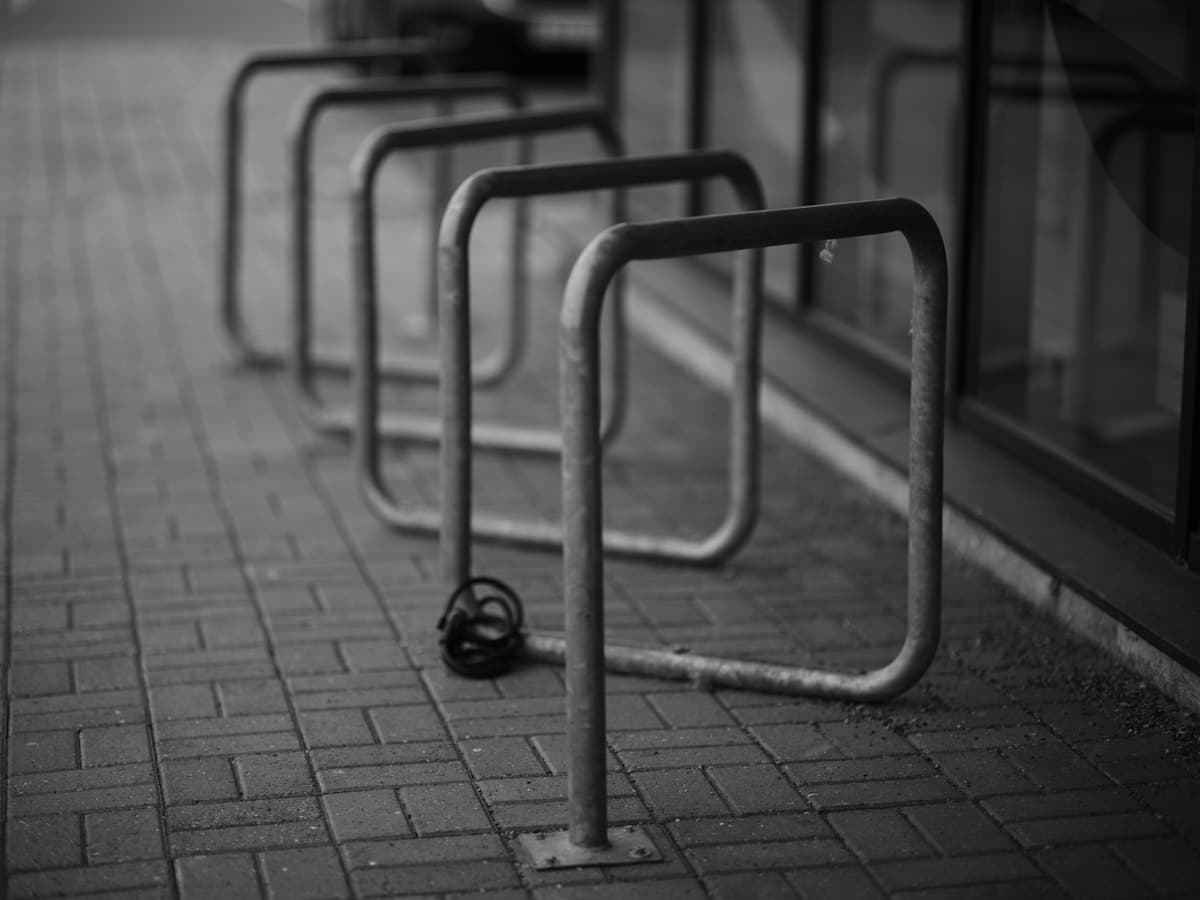
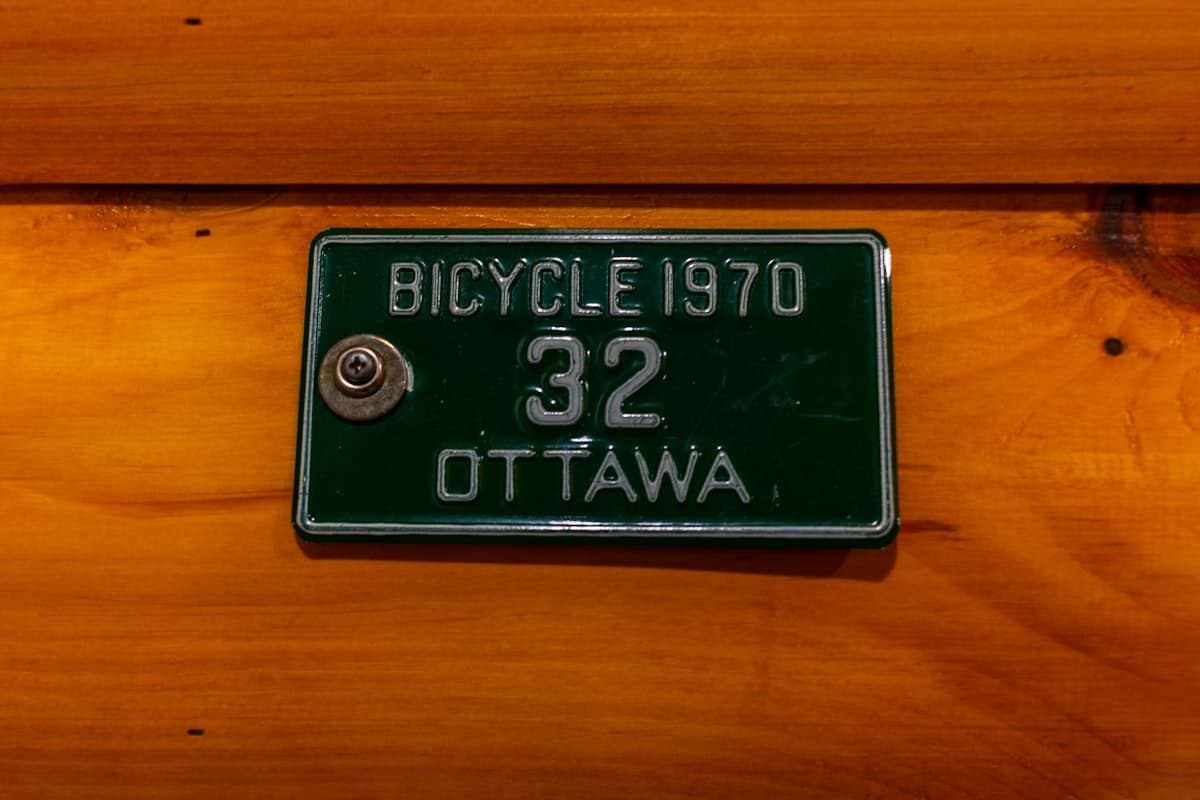
Your ten-year-old rides to school on Monday morning, locks her bike at the rack outside the main entrance, and walks to class. By 3 PM the bike is gone. No witnesses, no camera footage, just a cut cable lock dangling from the rack. You call the police and they ask for the serial number. You have no idea what it is. You can't even remember the exact model name. The report goes nowhere, and your daughter walks home.
This scene plays out thousands of times every summer across the Nordics. In Finland alone, around 14,000 bicycles were reported stolen in 2024, according to Finanssiala ry. In Sweden, the number topped 55,000 reported thefts the same year — and a VTI study found that fewer than 1 in 8 thefts are actually reported. Children's bikes are easy targets: they're often locked with cheap cable locks, parked in predictable spots, and their owners are inside classrooms for hours at a time.
The good news is that a few minutes of preparation can change the outcome entirely. Here's how to protect every bike in your family.
Why children's bikes deserve registration too
Many parents register their own bikes but skip their kids' bikes. The reasoning makes sense on the surface — a child's bike costs less, they outgrow it in a year or two, and it feels like a lot of effort for a EUR 200 bike. But there are three reasons that logic falls apart.
First, children's bikes are stolen more often than you'd think. School bike racks are soft targets. Thieves know the bikes will be unattended for six to eight hours, the locks are usually basic, and kids rarely notice details about suspicious activity. According to Portland's Safe Routes to School program, bike theft at schools is one of the most common property crimes affecting young cyclists.
Second, a stolen bike can end a child's cycling habit. Research published in the International Journal of Sustainable Transportation found that bike theft victims are far less likely to continue cycling. For a child who just gained the confidence to ride independently, losing that bike to theft can break the habit before it takes hold.
Third, registration is free and takes under five minutes. With Bike Registry, you add the brand, model, colour, serial number, and a photo. If the bike is ever stolen, police have everything they need to match it if it's recovered. Research shows that registered bikes have recovery rates around 15% when theft is reported through multiple channels — compared to roughly 5% for unregistered bikes.
How to find serial numbers on children's bikes
Every factory-made bicycle has a serial number stamped into the frame. On children's bikes, the location is the same as on adult bikes — flip the bike upside down and look under the bottom bracket, the part where the pedal cranks connect to the frame. You'll see a string of 6 to 10 characters engraved into the metal.
A few things to watch for with kids' bikes:
Smaller frames can make the stamp harder to read. Use a flashlight and wipe the area clean first. If the engraving is shallow, hold a sheet of paper over it and rub gently with a pencil — the number will show through.
Sticker-based serial numbers are common on cheaper models. Budget children's bikes sometimes use adhesive labels instead of frame stamps. Photograph the sticker immediately — these peel off over time, especially on bikes left outside.
Second-hand bikes may have worn or missing numbers. If you bought the bike used and can't find a serial number, register it anyway using photos, brand, model, colour, and any distinguishing features. A detailed registration is always better than no registration.
Write down the serial number for every bike in the household. Store it digitally — in a notes app, an email to yourself, or directly in your Bike Registry account. If a bike is stolen, you'll need that number within minutes, not days.
Managing your family's fleet in one place
A typical family with school-age children might own four to six bikes at any given time: two adult bikes, one or two children's bikes, maybe a balance bike for the youngest, and possibly an older bike kept as a spare. That's a lot of serial numbers, receipts, and insurance details to track.
Bike Registry makes bike registration simple — you can register multiple bikes under one account, so every family bike lives in one place. For each bike, you can store:
Serial number and frame photos
Purchase receipt or proof of ownership
Brand, model, colour, and size
Notes about modifications or accessories
When your child outgrows a bike and you sell it, you can transfer ownership through the app — giving the buyer a verified history and removing it from your active registrations. When you buy a replacement, you add it the same day.
This matters for insurance too. Finnish home insurance (kotivakuutus) and Swedish home insurance (hemförsäkring) cover bicycle theft, but insurers need documentation. Having every bike's details ready in one place speeds up the claims process and avoids the scramble to find proof of ownership after a theft.
QR stickers: visible protection for school bikes
One of the most effective deterrents for school bike theft is a QR code sticker on the frame. Bike Registry's QR stickers link directly to your bike's registration. Anyone with a smartphone can scan the code and instantly see whether the bike is registered — or reported stolen.
For school bikes, QR stickers work on two levels:
Deterrence. A UK survey of convicted bike thieves found that two-thirds of stolen bikes are sold within hours, and 78% were stolen to fill specific buyer orders. A visible registration sticker makes a bike harder to sell because any buyer can scan it and check the status. Thieves know this and tend to skip marked bikes.
Recovery. If the bike does get stolen, anyone who encounters it later — at a flea market, in an online listing, or abandoned in a park — can scan the QR code and flag it. This creates a network of eyes beyond just the police.
Place the sticker somewhere visible but hard to remove: on the seat tube, the down tube, or near the head tube. On a child's bike, point it out to your child so they know what it means and can explain it to curious friends.
Teaching kids about bike security
Children old enough to ride to school are old enough to learn basic security habits. You don't need to frighten them — just build a few routines:
Always lock the bike, even for short stops. The "I'll only be a minute" mindset is how most bikes disappear. Teach your child to lock the frame and at least one wheel to the rack every single time, even when popping into a friend's house.
Use the right lock. Cable locks are the most common locks on children's bikes and the easiest to cut. A basic U-lock costs EUR 20 to 30 and is far harder to defeat. If your child can carry a small backpack, they can carry a compact U-lock.
Pick the right spot on the rack. Bikes at the end of a row or in poorly lit corners are easier to steal. Teach your child to lock up in the middle of the rack, near entrances, or where other people are passing by.
Report anything suspicious. If their bike has been tampered with — a lock that looks scratched or twisted, a seat that's been adjusted, a wheel that's been loosened — they should tell a teacher or parent immediately. Thieves sometimes "prep" a bike one day and return to steal it the next.
Know the bike's details. Your child should know the brand and colour of their bike. Older kids can keep a photo of the serial number on their phone. If the bike goes missing, they can give accurate information right away instead of saying "it's a blue one."
A ten-minute project that pays off all summer
Registering your family's bikes is one of those small tasks that feels unnecessary until the day it isn't. Set aside ten minutes this weekend. Flip each bike over, find the serial numbers, snap some photos, and add them all to Bike Registry. Order QR stickers for the bikes that live at school racks during the day. Show your kids how the lock works and where to park.
The cycling season is here. Your family's bikes should be ready for it — and protected.
Ready to protect your bike? Download the app and register your bike for free.