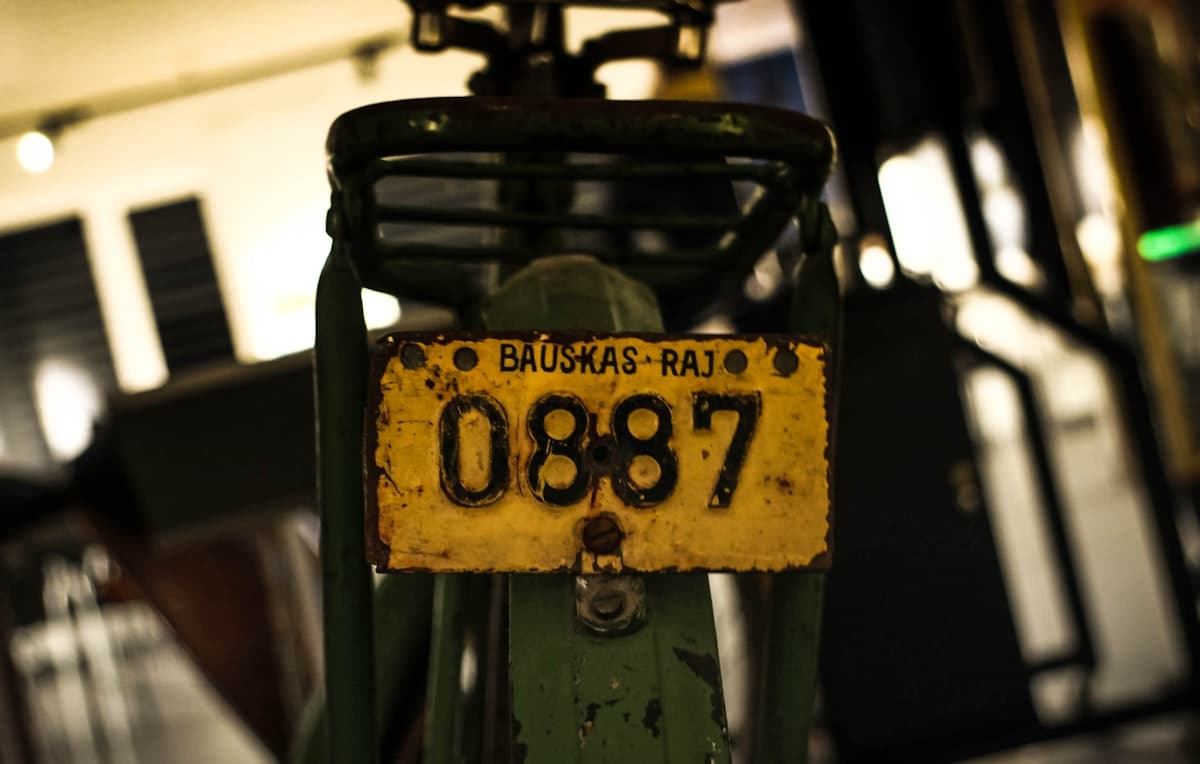
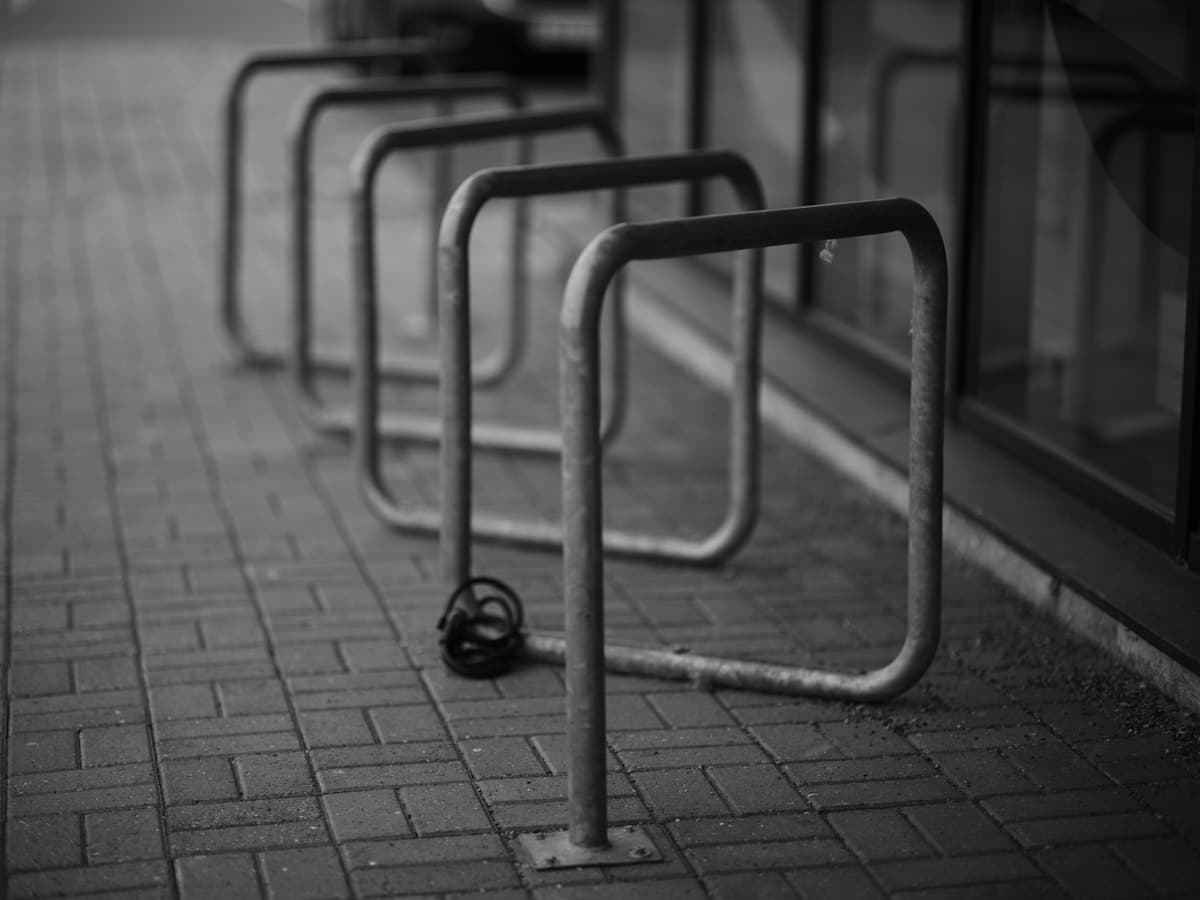
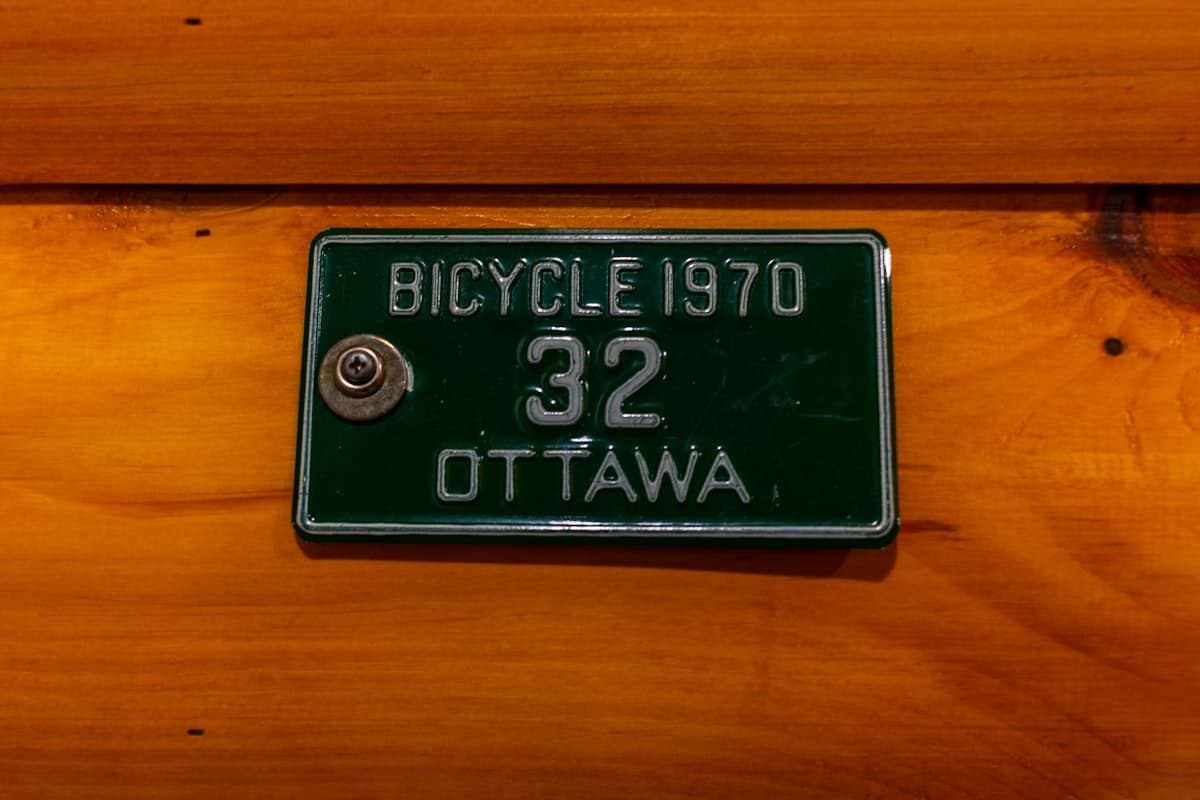
You walk into the police station. Your bike was stolen last night — cut lock, empty rack, the whole gut-punch. The officer pulls up a form and asks the first question: "Do you have the serial number?"
You don't.
The officer nods politely, takes your description — blue bike, medium frame, Shimano gears — and files the report. But both of you know that description matches thousands of bikes in the city. Without a serial number, your stolen bike just became a needle in a haystack that nobody has the tools to search.
This scene plays out constantly. According to Boulder police, only about a third of theft victims provide a serial number when filing a report. The rest leave officers with almost nothing actionable to work with. Summer is winding down, autumn commutes are starting up, and now is the time to make sure you are not one of those people.
What happens when you report a bike without a serial number
A police report without a serial number is a report without teeth. Officers can record your bike's brand, color, and model, but that information alone is not enough to flag a specific bicycle in any law enforcement system. If a patrol officer stops someone riding a blue hybrid bike tomorrow, they have no way to confirm it is yours rather than one of the hundreds of identical models sold that year.
Without a serial number, police cannot record the bicycle as wanted in their systems. The Finnish Police (Poliisi) put it plainly: without the number, it is impossible to connect a bike and its owner. Swedish police (Polisen) echo this — when you report a bike theft at polisen.se, the frame number is the key piece of identifying information they ask for.
Your report still has value for insurance purposes and crime statistics. But from an investigation standpoint, a theft report with no serial number is close to a dead end.
How police actually use serial numbers in investigations
When you provide a serial number, it becomes a searchable identifier in law enforcement databases. That changes everything. Here is how police put it to work:
Flagging the bike as wanted. Officers enter your serial number into their system. From that point on, any time that number is checked — at a traffic stop, during a pawn shop inspection, at a second-hand market — it triggers an alert.
Matching recovered property. Police recover bicycles regularly during raids, arrests, and routine patrols. The first thing they do is check the serial number against reported thefts. A match means they can seize the bike and begin the process of returning it.
Building a criminal case.Law enforcement values serial numbers because they provide concrete proof. A serial number is the most reliable method for proving ownership and the easiest way for police to charge someone with possession of stolen property. A description of "my blue bike" would not hold up in court. A matching serial number will.
Cross-jurisdictional searches. Stolen bikes move between cities and even countries. Serial numbers travel through databases in a way that verbal descriptions cannot. A bike stolen in Helsinki can be flagged when it surfaces in Tampere or Turku.
How Nordic police databases work
In Finland, you can file a theft report online at asiointi.poliisi.fi or at your local police station. When you provide the serial number, police can enter it into their system so the bicycle is flagged as stolen property. Any officer who encounters that bike and runs the number will see the flag. The Finnish Police remind cyclists to write down their bike's identification information specifically because it is what makes this system work.
In Sweden, you report the theft at polisen.se or by calling 114 14. The frame number (ramnummer) is central to the report. Sweden also has Svenska Cykeldatabasen, a public bike database where owners can register their bikes and buyers can check whether a frame number has been reported stolen.
Both countries follow the same principle: the serial number is what connects a physical bicycle to a digital record. Without it, the digital record is just a description floating in a database with no anchor.
The problem of recovered bikes that cannot be returned
Here is a statistic that should bother every cyclist: while 48% of stolen bikes are eventually recovered by law enforcement in some form, only about 5% are returned to their owners. That gap is staggering. Police find bikes. They just cannot figure out who they belong to.
Boulder police in Colorado have storage units full of recovered bicycles that no one has claimed — not because the owners do not want them back, but because there is no way to match a recovered bike to a theft report when neither has a serial number attached.
The typical lifecycle of an unmatched recovered bike: police hold it for a statutory period (usually 30 to 90 days), attempt to find the owner, fail, and eventually auction or dispose of the bike. Your stolen bike might be sitting in a police evidence room right now, waiting for someone to claim it with a number that was never recorded.
In the Nordics, the pattern is the same. Bicycle theft follows the same cycle everywhere. In Finland, around 14,000 bicycles are reported stolen each year according to Finanssiala ry. Recovery rates without registration hover at 2-5% across Europe. Many of those unrecovered bikes were found by someone — they just could not be traced back.
How bike registration bridges the gap
A serial number on its own only works if you remember it. That is where registration comes in.
When you register your bike on Bike Registry, you create a permanent digital record linking your serial number to your identity, along with photos, make, model, and other identifying details. If your bike is stolen, you can mark it as stolen in the app, and anyone who searches that serial number — a police officer, a potential buyer, a bike shop — immediately sees the flag.
This solves both sides of the problem. For theft reporting, you always have your serial number available in the app when you file a police report, so the officer can enter it into their system immediately. For recovery, anyone who encounters your bike can scan a QR sticker or search the serial number and find a match. No more unclaimed bikes gathering dust in evidence rooms.
Research shows that registered bikes have significantly better recovery prospects. A North American study found a 15% overall recovery rate when theft was reported through multiple channels — compared to roughly 5% for unregistered bikes. Registration does not guarantee recovery, but it gives police the one thing they need to actually help: a number they can work with.
Record it before you need it
Summer is ending. Autumn brings darker evenings, more bikes left outside workplaces and train stations, and a fresh wave of opportunistic theft. The ten minutes it takes to flip your bike over, find the serial number, and register it could be the difference between getting your bike back and never seeing it again.
Here is what to do today:
Find your serial number — check under the bottom bracket, on the head tube, or on the rear dropout. Use a flashlight if needed.
Photograph it — a clear close-up stored on your phone or in the cloud.
Register your bike — open the Bike Registry app or visit bike-registry.com. It takes two minutes and costs nothing.
Consider QR stickers — a visible deterrent that links directly to your registration and lets anyone verify your bike's status with a scan.
The next time a police officer asks "Do you have the serial number?" — make sure your answer is yes.
Ready to protect your bike? Download the app and register your bike for free.