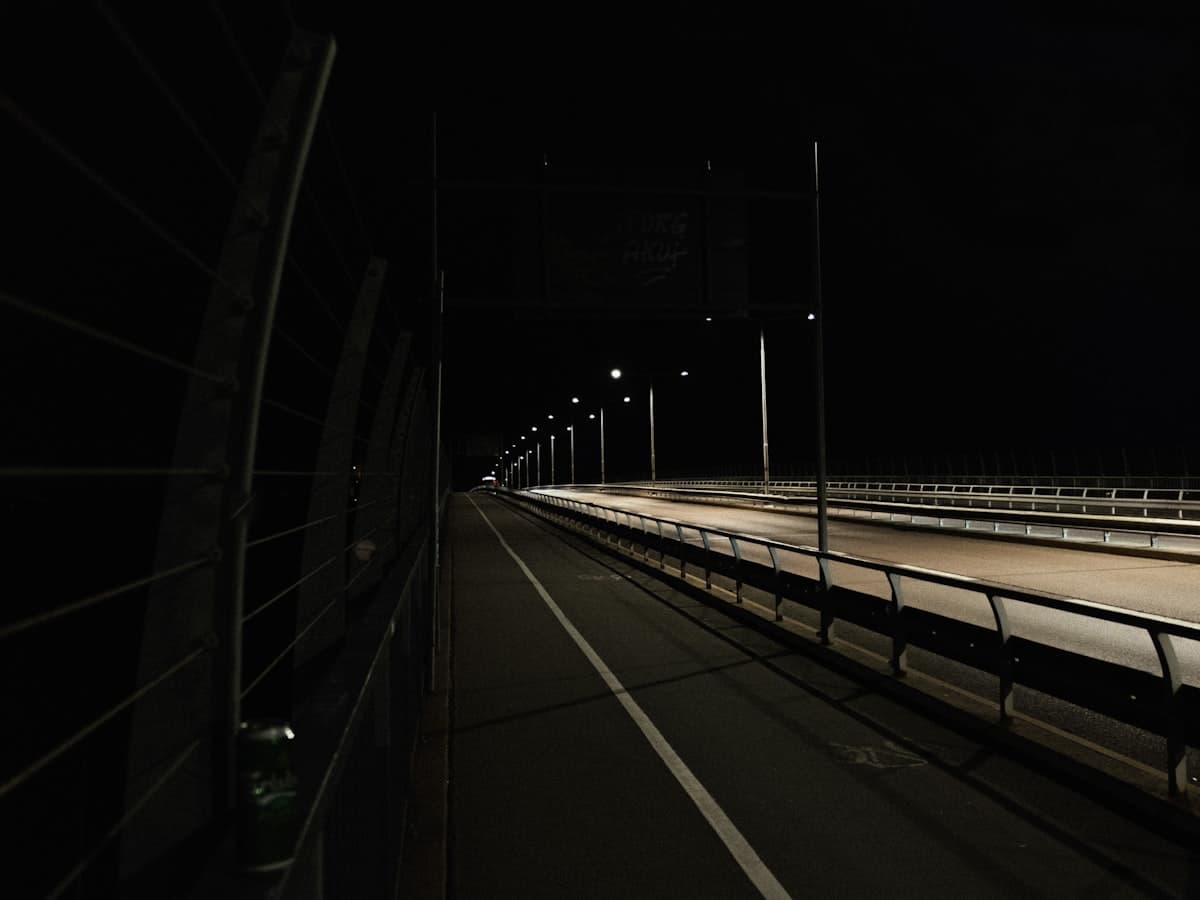
It's 6:45 a.m. on a Tuesday in mid-September. You wheel your bike out of the hallway, clip your bag to the rack, and push off into the street. The air is cool, the pavement is damp, and it hits you — it's dark. Not twilight-dark, not almost-dark, but genuinely dark. The kind of dark where a car turning out of a side street might not see you at all. Two weeks ago, this same ride happened in full daylight. Now autumn has arrived, and the rules of commuting by bike have changed overnight.
This shift catches thousands of Nordic cyclists off guard every year. The transition from long summer evenings to September darkness is fast, and the gap between "I should get lights" and "I needed lights last week" can be measured in close calls. Here's a practical checklist to keep you visible, legal, and riding safely through autumn and into winter.
Front and rear lights: what the law requires
In both Finland and Sweden, bicycle lights are not optional after dark — they are legal requirements with real fines attached.
Finland: Under the Tieliikennelaki (Road Traffic Act), you must have a white or pale yellow front light and a red rear light when riding during darkness, dusk, or conditions of poor visibility such as fog or heavy rain. The can issue a EUR 40 summary penal fee on the spot for missing lights. A light attached to your body — such as a headlamp — counts as a front light, provided it emits white or pale yellow light forward.
Sweden: The rules are similar but the fines are steeper. A white front light and red rear light are required between sunset and sunrise, and both must be visible from 300 metres. Missing your front light is a SEK 500 fine. Missing the rear light is another SEK 500. Ride without both and you're looking at SEK 1,000 — roughly EUR 90. Swedish law also permits a flashing rear light, but only if it flashes at least 200 times per minute.
The practical takeaway: buy lights now, before the first dark commute catches you unprepared. USB-rechargeable lights are affordable, bright, and easy to keep charged at your desk during the day. Keep a spare set in your bag — batteries die at the worst possible moment.
Reflectors and high-visibility gear
Lights make you visible from the front and rear. Reflectors and clothing fill in the gaps from the sides and at angles where your lights don't reach.
Finnish law requires reflectors on your bike at all times — front (white), rear (red), and sides — regardless of whether it's day or night. Liikenneturva recommends checking your reflectors at the start of autumn, since the reflective surface wears down over time and a faded reflector barely works at all. Pedal reflectors are particularly effective because their movement catches a driver's eye.
Swedish law requires a white front reflector, red rear reflector, and white or amber-yellow side reflectors when riding after dark. Spoke reflectors or reflective tire sidewalls count toward the side requirement.
Beyond what's legally required, wearing a reflective vest or high-visibility jacket during autumn commutes is one of the simplest ways to stay seen. Fluorescent yellow or orange works in low light; reflective strips and bands work when hit by headlights. A UK cycling safety study found that dark clothing makes cyclists nearly invisible to drivers at night, while reflective ankle bands — which move as you pedal — are among the most effective visibility aids available. The combination of steady lights, clean reflectors, and at least one reflective garment covers every angle.
Tires and grip: preparing for wet leaves and rain
Autumn brings two hazards that summer cyclists rarely think about: wet leaves and persistent rain. A layer of damp leaves on a bike path is as slippery as ice in some conditions, and braking distances increase on wet pavement.
Start with your tires. Check the tread depth — if the pattern is worn smooth, you have less grip than you need for wet roads. Look for cracks in the sidewalls, which can develop over a summer of UV exposure and heat. If you've been running slick or semi-slick tires for summer speed, consider switching to tires with more tread for autumn and winter grip.
Tire pressure matters too. Slightly lower pressure — 5 to 10 PSI below your summer setting — increases the contact patch with the road and improves grip on wet surfaces. Check the minimum pressure rating printed on your tire sidewall before going too low.
When riding through leaves, keep your speed steady and avoid sudden braking or sharp turns. Leaves hide potholes, broken glass, and uneven surfaces underneath, so treat any leaf-covered section of path as unpredictable terrain.
Fenders and mudguards: autumn's unsung upgrade
If you commute by bike and your bicycle doesn't have fenders, September is the month to fix that. Without mudguards, every puddle and wet patch on the road sends a stripe of dirty water up your back, legs, and onto your drivetrain.
Full-coverage fenders — the kind that wrap around most of the wheel — keep you dramatically drier than clip-on alternatives. They also protect your chain, brakes, and bottom bracket from the gritty road spray that accelerates wear during wet months. For commuters, this is less about comfort and more about cutting down on maintenance and keeping your bike functional through the season.
If you ride a bike with limited clearance (like many road bikes), clip-on fenders are better than nothing. For city and hybrid bikes, bolt-on fenders are inexpensive and straightforward to install.
Adjusting your commute for shorter daylight
In Helsinki, daylight drops from about 15 hours in late June to under 12 hours by mid-September, and keeps shrinking fast — by late October, you're down to around 9 hours. Stockholm follows a similar curve. For morning commuters, this means your ride to work will be fully in the dark within weeks.
A few adjustments help:
Plan your route for lit paths. A slightly longer route along well-lit streets or maintained bike paths is safer than a shorter route through unlit parks or industrial areas.
Adjust your departure time. Even 10 minutes can make a difference in visibility during the transition weeks of September and October.
Clean your lights and reflectors weekly. Road spray and morning dew coat surfaces fast in autumn. Dirty lights lose brightness; dirty reflectors stop reflecting.
Tell someone your route. If you're riding in the dark on quieter roads, let a family member or colleague know your typical path and expected arrival time.
The mental shift matters too. Summer cycling feels carefree — autumn cycling requires attention. You're sharing the road with drivers who also haven't adjusted to the darker conditions, and the first few weeks after the clocks change are statistically when drivers and cyclists are still adapting to reduced visibility.
Update your registration details after summer
Summer is when bikes change. You may have swapped tires, added accessories, replaced a saddle, or even bought a new bike entirely. If your bike's appearance or components have changed since you last updated your registration at Bike-Registry.com, now is the time to update your profile.
Accurate bike registration details — including current photos, component descriptions, and your bicycle serial number — are what make a stolen bike recoverable. Research shows that registered bikes have recovery rates around 15% when reported through multiple channels, compared to roughly 5% for unregistered bikes. That difference depends on having correct, up-to-date information on file.
Autumn also brings a seasonal spike in bike thefts as opportunistic thieves target bikes left outside during the transition from summer riding to indoor storage. In Finland, around 14,000 bicycles are reported stolen each year. In Sweden, the figure is over 55,000 — and the real number is far higher, since fewer than 1 in 8 thefts are actually reported to police.
Take five minutes this week: open the Bike Registry app, verify your serial number and photos are current, and make sure your contact details are up to date. If you haven't registered yet, it's free and takes less than two minutes. A registered bike is a protected bike — and autumn is exactly when that protection matters most.
Ready to protect your bike? Download the app and register your bike for free.