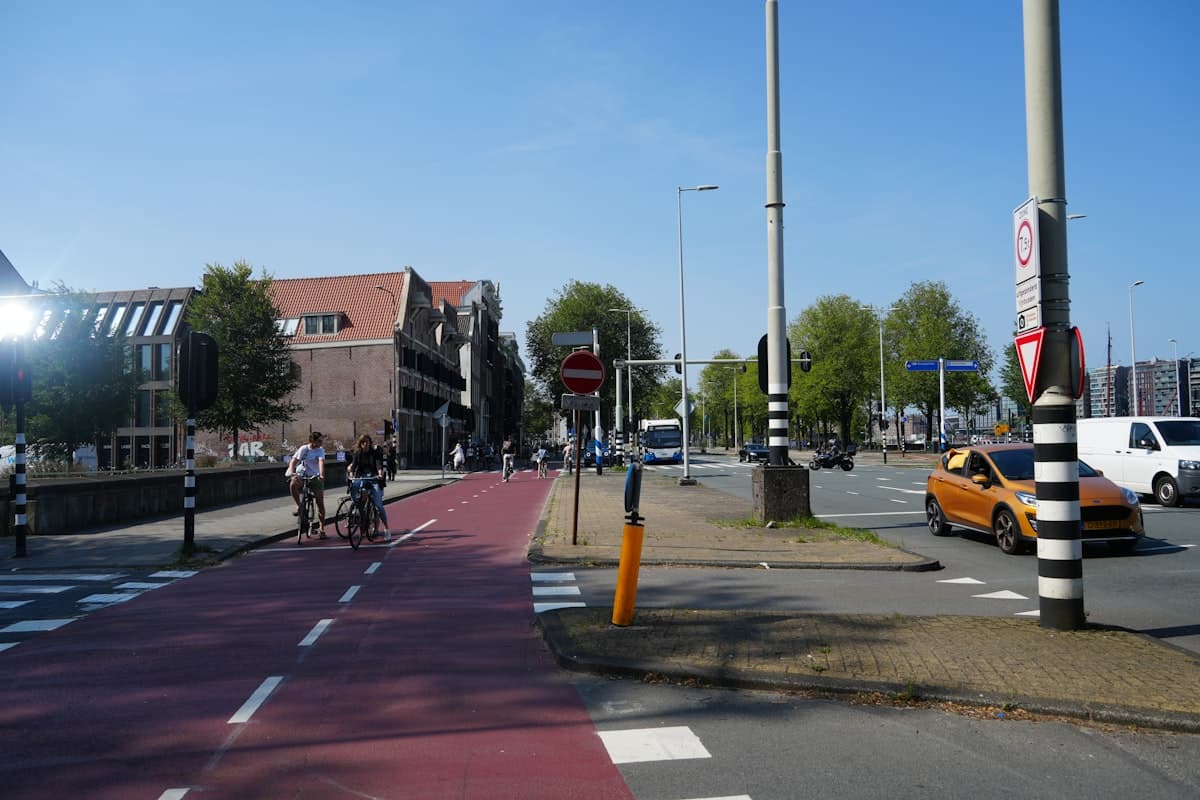
Stockholm recorded a 66% increase in daily city-center cyclists over the past decade. The city now has over 760 km of bike lanes, and cycling accounts for roughly 12% of all trips — with a target of 15% during peak hours by 2030 and 25% by 2040. If you commute across Stockholm's islands by bike, or you're thinking about starting, here's what the city offers and what you need to watch out for.
Stockholm's cycling network: islands connected by bike lanes
Stockholm is built on 14 islands, which means bridges define your commute. That sounds like a barrier, but the city has turned its waterfront geography into a cycling advantage.
The Norr Mälarstrand route along Kungsholmen's south shore is a local favorite — sometimes called the "north highway" by regular cyclists. It follows the water from Stadshuset (City Hall) westward, flat and separated from car traffic for most of its length. From there, the 10 km loop around Kungsholmen passes Smedsuddsbadet beach, views across to Gamla Stan, and the trendy Hornsberg Strand area on the north side.
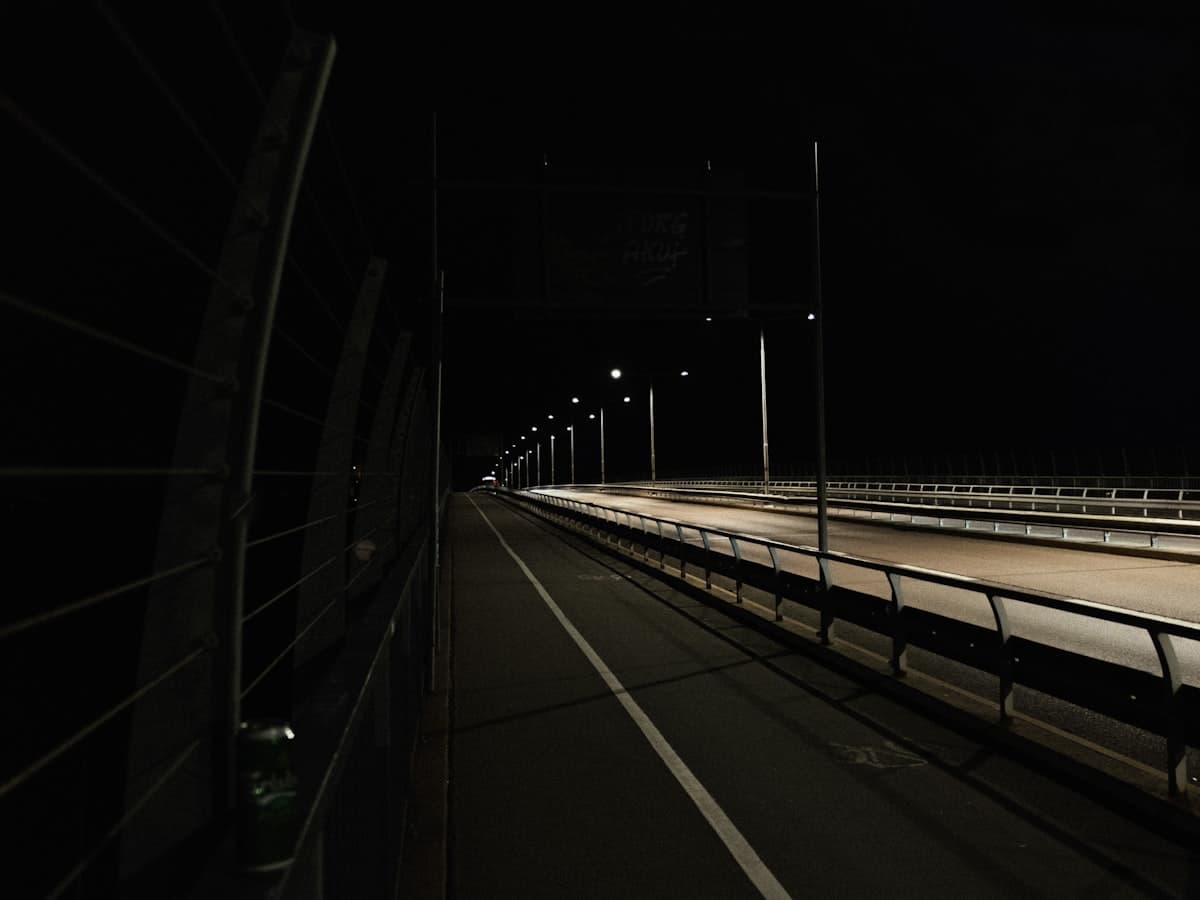
Västerbron, the large bridge connecting Kungsholmen to Södermalm, has dedicated bike lanes and offers wide views over Riddarfjärden bay. It's a key link for commuters moving between the southern and western parts of the city. On the eastern side, Södermalm connects to Gamla Stan via Slussen — a junction that has undergone major reconstruction in recent years, with improved cycling infrastructure as part of the redesign.
For longer commutes, Strandvägen along the Östermalm waterfront leads to the bridge over to Djurgården, and the route continues along the shore all the way around the island. Commuters heading north from the city center can follow routes along Sveavägen and out through Vasastan.
The city invested over 2.1 billion SEK in cycling infrastructure in the last decade, and Stockholm's first dedicated "bicycle street" (where cyclists have priority over cars) represents a shift toward Dutch-style traffic design.
Getting around without your own bike
Stockholm's relationship with bike-sharing has been turbulent. The original City Bikes system ran from 2006 to 2018, when it was shut down due to theft and vandalism. A replacement launched in 2022 with 5,150 electric bikes and 120 cargo bikes, operated by Citybike (Inurba) — but the city cancelled the contract after repeated problems including insufficient availability and safety incidents.
The city is currently procuring a new bike-share provider. In the meantime, private rental options fill the gap. Several companies around Gamla Stan and Djurgården rent standard and electric bikes by the hour or day, with prices starting around SEK 350 for a half-day e-bike rental.
For commuters, though, owning your own bike remains the most practical option. And that means taking security seriously.
Summer in the city — and winter too
July is peak cycling season in Stockholm. Long daylight hours (sunrise before 04:00, sunset after 22:00 in late June), warm temperatures, and school holidays mean the bike lanes are busy. Summer is when commuting by bike feels obvious.
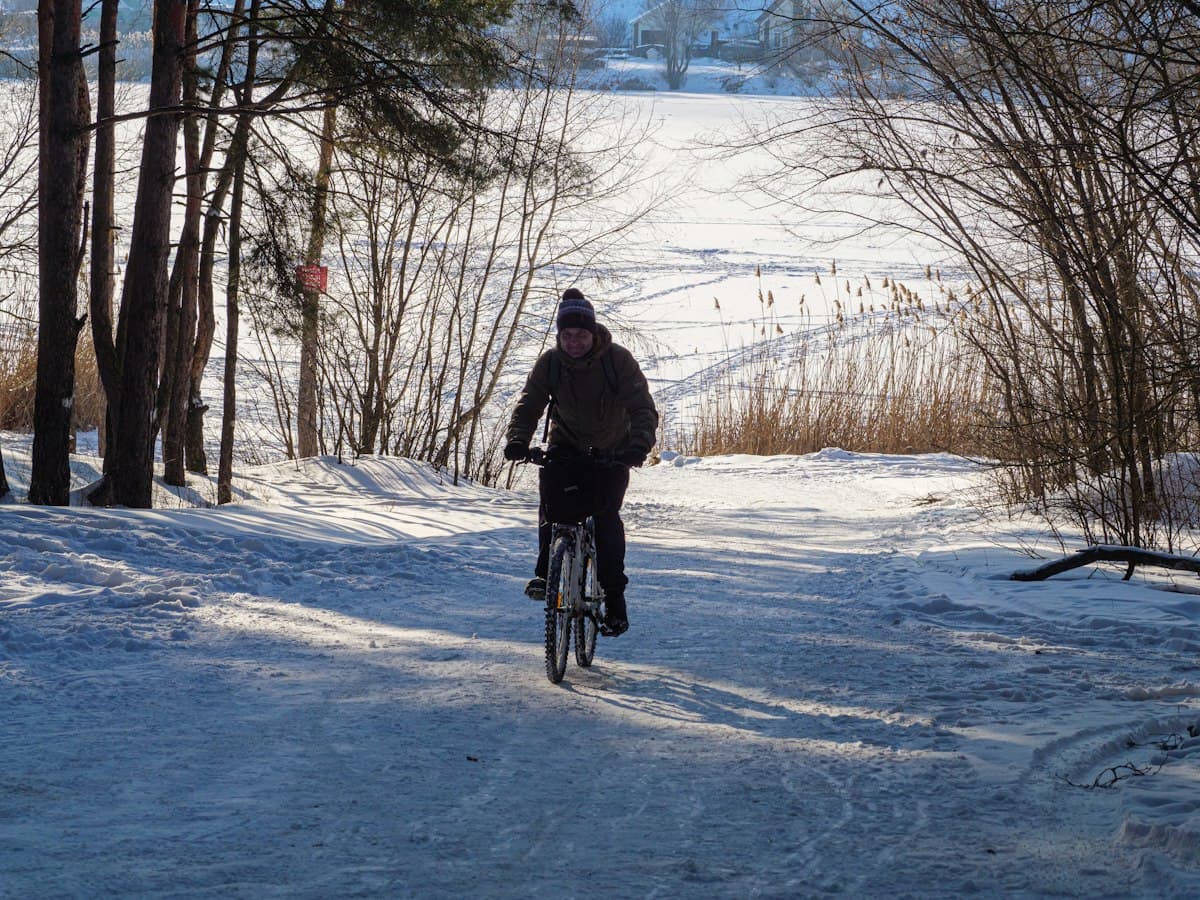
Winter is a different story, but Stockholm keeps its cycling network operational year-round. The city clears snow from main cycling routes, though not with the same priority system Helsinki uses for its 160 km winter network. Studded tires are the single most important upgrade for winter cycling — they grip ice and cost SEK 300-600 per tire. Swap them on in November, remove them in April.
One Stockholm-specific rule to know: studded tires for cars are banned on certain streets (notably Hornsgatan on Södermalm) to reduce particulate pollution. This ban applies to motor vehicles, not bicycles — but it's worth confirming current rules each season. Good lights and reflectors are legally required from dusk to dawn, and practically essential given Stockholm's short winter days.
Winter cycling in Stockholm is not unusual. The number of year-round cyclists has grown steadily, and the city's infrastructure investments reflect an expectation that cycling is a four-season mode of transport.
The theft problem: 6,500 reported cases per year
In 2024, 6,484 bicycle thefts were reported in Stockholm municipality alone — 6.5 per 1,000 residents. While bike theft nationally declined by 5%, Stockholm bucked the trend with a slight increase of 1.9%.
Across Sweden, over 55,000 bicycle thefts were reported to police in 2024, according to the Swedish National Council for Crime Prevention (Bra). But the real number is far higher — a VTI study found that fewer than 1 in 8 thefts are actually reported, meaning over half a million bikes disappear across Sweden each year.
E-bike theft is rising fastest. In Stockholm County, e-bike thefts jumped 74% in recent years. Nationally, e-bikes account for over a quarter of all reported bike thefts — 14,675 out of 54,844 in 2024. With e-bikes worth SEK 20,000-50,000, the financial loss is significant.
Commuters are high-value targets because their bikes sit at the same rack, at the same time, five days a week. Train station parking, workplace racks, and apartment courtyards are prime spots for organized theft.
How to protect your commuter bike in Stockholm
A bike locked at T-Centralen or Slussen for eight hours needs more than a cable lock. Here's what works:
Invest in a proper lock. A Sold Secure Gold or ART-rated U-lock is the minimum. Lock the frame and one wheel to a fixed rack. At busy stations, pick spots near cameras and foot traffic.
Break your routine. Parking at the same rack at the same time every day creates a pattern. Organized thieves notice patterns. Vary your parking spot when you can.
Strip accessories before you leave. Lights, bags, and computers should come with you. Replace quick-release wheels and saddles with bolt-on versions.
Register your bike. This is the step most people skip and most regret. Bike registration takes two minutes and costs nothing. With your bike registered on Bike Registry, your bicycle serial number, photos, and details are stored in a searchable database. If your bike is stolen, you flag it in the app — and anyone who encounters it (police, second-hand buyers, bike shops) can check whether it's been reported. Research shows that registered bikes have recovery rates around 23%, compared to roughly 5% for unregistered ones.
Use QR stickers. A visible QR code on your frame signals to thieves that this bike is tracked and traceable. It's an inexpensive deterrent that shifts the risk calculation.
Know your insurance terms. Swedish insurance policies often require approved locks (typically ART 2 or higher) as a condition for paying theft claims. Having your bike registered with documented serial numbers and photos speeds up the claims process.
Getting started
Map your route using Google Maps cycling mode or the Stockholm cycling map. If you're new to bike commuting, try the Kungsholmen loop or the Norr Mälarstrand waterfront on a weekend to get comfortable with Stockholm's cycling rhythm before tackling rush hour.
Before your first commute, spend five minutes registering your bike at Bike-Registry.com. Find your serial number (check under the bottom bracket), take a few photos, and enter your bike's details. It's free — and it's the cheapest protection you can get for a bike that's about to sit unattended in a city where 18 bikes are reported stolen every single day.
Ready to protect your bike? Download the app and register your bike for free.