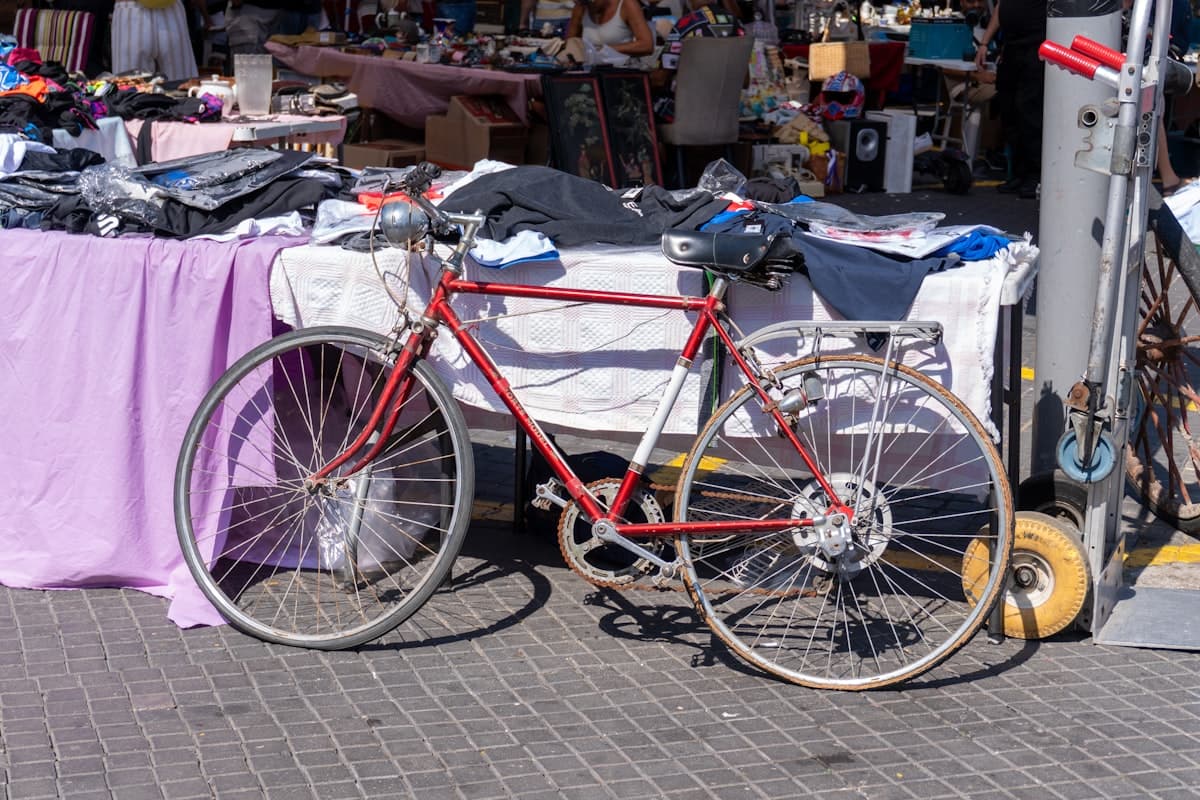
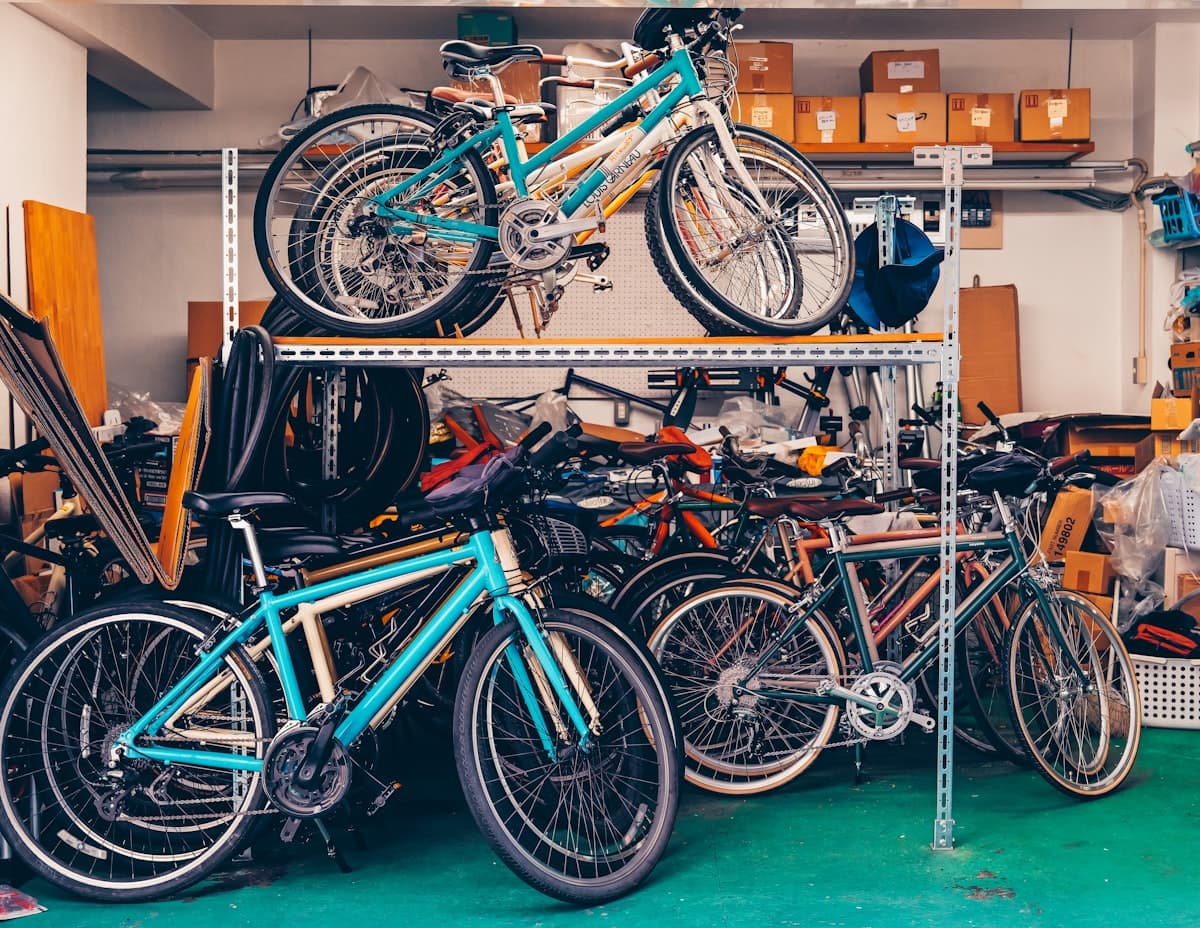
Yes, you can still buy a used bike safely on Tori.fi — but a meaningful share of the listings are stolen goods. Finland sees around 14,000 bicycle thefts per year, and two-thirds of stolen bikes are flipped within hours — often on marketplaces like Tori. Stolen listings follow a pattern, though. Once you know what a stolen Tori listing looks like, you save your money, your conscience, and your legal standing.
This guide covers the concrete tells — price, photos, profile, message behaviour — plus Tori-specific verification steps to run before you pay a single euro.
What a stolen listing usually looks like
One red flag on its own doesn't mean the bike is stolen. But when several of these stack up on the same listing, walk away and find the next one.
A one-year-old Trek Marlin or Helkama city bike that retailed at €900 isn't being let go for €250 because "I'm moving abroad." A thief wants the bike out of their hands fast, and price is the only lever they have.
Price 30–50% below comparable listings.
A fresh or empty seller profile. Tori shows account age and prior listings. An account created yesterday with a single €1,500 e-bike on it is a red flag in flashing lights.
Multiple bikes from the same profile in days. Private sellers don't flip three or four bikes a week. Real flippers use business accounts; opportunistic thieves use ordinary ones.
Photos in dim, anonymous locations. Stairwells, basements, the corner of a parking garage. A genuine seller shoots the bike in the yard or on the street outside their home, in daylight. Anonymous photos mean the bike's real origin can't be placed.
Serial number cropped, blurred, or "I'll send it later." This is almost always the tell. An honest seller hands you the serial in the first or second message.
No receipt, no order email, no insurance record. A two-year-old order confirmation from Bike Discount, XXL or the local shop is something every real owner has.
"Need to sell fast, moving abroad." Classic urgency framing. The harder the seller pushes the timeline, the more likely they're skipping your checks.
Seller refuses to meet at their home. They insist on a public spot only — the train station, a supermarket parking lot. Real sellers usually let you come to their yard or building entrance.
Tori-native verification before you meet
Most of the work happens over chat before you leave the house. Use Tori's in-app messaging — don't move to WhatsApp or Telegram. The platform conversation is the only paper trail you'll have if you later need to explain things to Tori support or the police.
Read the profile carefully. A long track record of mixed household items reads like a normal household; an empty profile with two bikes posted this week does not.
Ask for the serial number in writing, before meeting. This is the single most important check. The serial is usually stamped under the bottom bracket or on the head tube. A real seller sends it within minutes. Refusal or delay is the clearest warning a listing can give you.
Run the serial through Bike Registry. Drop it into the public lookup. If the bike is flagged stolen, you'll see it immediately. If it's registered to a current owner, ask the seller to start an ownership transfer in the app — a 24-hour confirmation code both parties confirm.
Ask for the original receipt or order email. A shop receipt, an order email, an insurance policy listing the bike. One of these should exist.
Insist on meeting at the seller's home address. A real seller doesn't push back — they live there. If they invent a new excuse for every suggestion (neighbour renovating, summer cottage, work travel), they may not know the address at all.
Keep the chat on Tori. If someone moves the conversation to WhatsApp immediately, you're usually looking at a scammer or a thief covering their tracks.
At the handover — what to check in person
Even when steps 1–6 all check out, give yourself 15–20 minutes for an unhurried inspection at the meeting point. Thieves rarely have the patience for this stage.
Match the serial to the one in your chat. Same string, same place on the frame. If the number is filed off, scratched, or painted over, walk away.
Probe the maintenance story. A real owner remembers which shop serviced it last spring, which parts were swapped and why.
Ask for keys to any locks on the bike. Working locks with original keys are evidence the bike belongs to the seller.
Pay by MobilePay or bank transfer. Cash without documentation is the worst option — electronic payment is the only record you'll have if you ever need to prove your purchase was legitimate.
Run the Bike Registry ownership transfer on the spot. If the bike is registered, the seller starts the transfer in their app, a code appears in yours, and you both confirm. Instant.
If you're specifically buying an e-bike, also read today's companion post on buying a used e-bike safely — battery and motor checks have their own traps.
What to do if a listing looks stolen
If multiple tells line up or the Bike Registry lookup flags the bike as stolen, don't go to the meeting alone trying to recover it. Do this instead:
Report to Tori. Use the "Report listing" button with a short note: which tells match, what the serial lookup returned. Tori can remove the listing and suspend the account.
File a report with the police. Use Poliisi.fi's bicycle theft flow — include the listing URL, chat screenshots, and the serial number.
Keep the messages and photos. Don't delete the chat. It's evidence.
Don't try to negotiate with a thief. Under Finnish law, stolen goods return to the original owner even if you bought them in good faith.
Bike Registry is the most comprehensive free bike registry in Finland, a stolen bike registry that anyone can search. Bike registration takes a couple of minutes and the bicycle serial number lookup is free. Drop the serial into the public search and you'll see in seconds whether the bike is:
flagged as stolen
registered to a current owner (in which case you ask for an ownership transfer at the handover)
unregistered — a neutral result that doesn't prove anything by itself, but tells you to lean harder on the other checks
Tori is still the best place to buy a used bike in Finland. But behind every honest listing sit a few stolen ones — and now you know which is which before you reply.
Ready to protect your bike? Download the app and register your bike for free.